
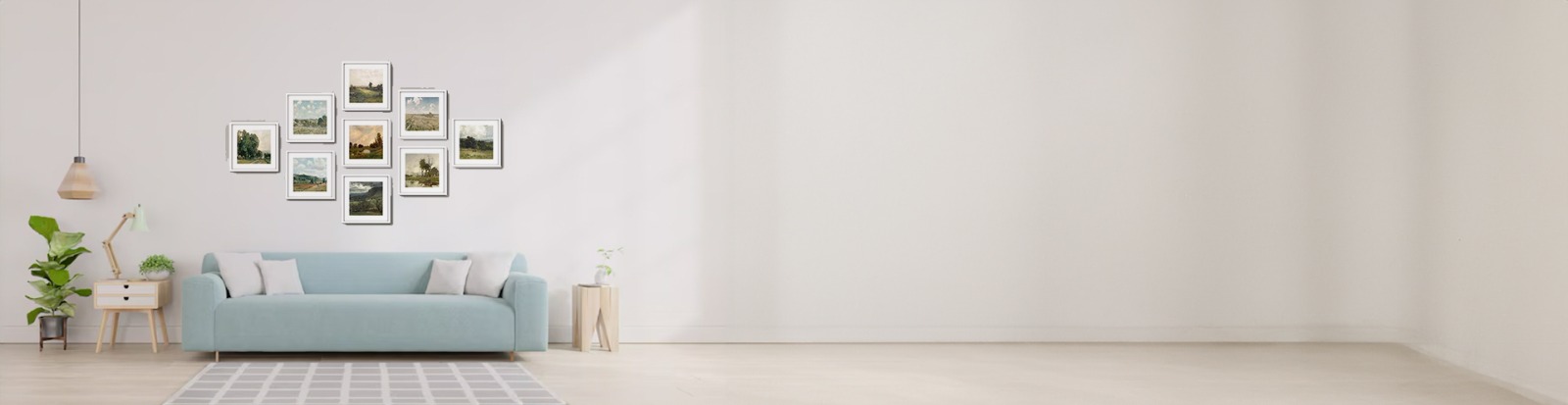
11 Nov Mid-Century Modern: A Nod to the Past with Timeless Design
Mid-Century Modern design is more than just a trend—it’s a timeless style that continues to captivate homeowners and interior designers alike. Born in the mid-20th century, this iconic design movement was defined by clean lines, functional furniture, and a minimalist aesthetic that still feels relevant today. With its roots in the post-war era, Mid-Century Modern offers a perfect blend of nostalgia and modernity, making it the ideal style for those who appreciate classic design with a contemporary twist. In this article, we’ll explore the key features of Mid-Century Modern design, its historical significance, and how you can incorporate it into your home to achieve a timeless and sophisticated look.
What is Mid-Century Modern Design?
Mid-Century Modern design originated in the late 1940s and continued to influence architecture, furniture, and interior design through the 1960s. This design style emerged in response to the post-World War II era, where there was a focus on innovation, simplicity, and functionality. Designers like Charles and Ray Eames, Eero Saarinen, and George Nelson were pioneers of this movement, creating furniture and architecture that embraced clean lines, organic shapes, and new materials like plastic and plywood. The hallmark of Mid-Century Modern design lies in its balance of form and function. Furniture is typically sleek and simple, without unnecessary ornamentation. The focus is on practicality and aesthetic appeal, resulting in spaces that feel both welcoming and uncluttered.
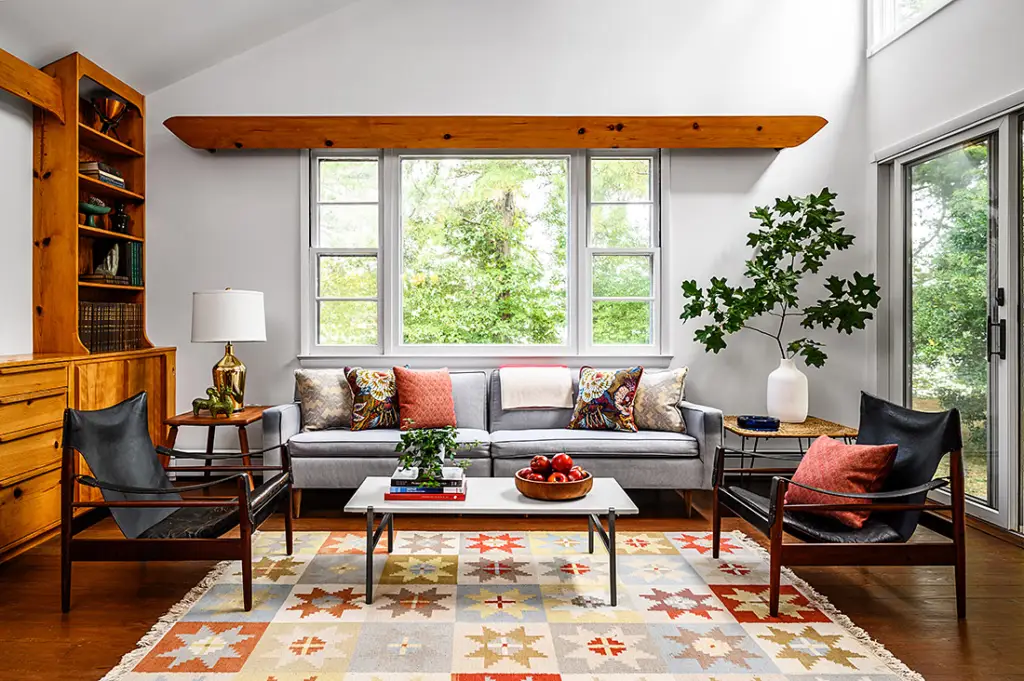
Key Elements of Mid-Century Modern Design
To capture the essence of Mid-Century Modern style, focus on these key elements that define its iconic look:
1- Clean Lines and Simple Forms
Mid-Century Modern design is known for its clean, geometric lines and simplicity. Furniture pieces often feature straight, tapered legs, smooth surfaces, and a streamlined appearance. This minimalist approach avoids excessive detailing or decorative elements, emphasizing the beauty of the furniture’s form and function.
2- Vibrant Colors
While the style favors simplicity, it also incorporates organic shapes inspired by nature. Think curved armchairs, kidney-shaped coffee tables, and round dining tables. These fluid forms contrast with the sharp lines often seen in Mid-Century Modern architecture, creating visual interest and softness within the space.
3-Natural Materials and Innovative Use of New Materials
Mid-Century Modern design embraces a mix of traditional natural materials like wood, leather, and wool, alongside newer materials such as molded plastic, fiberglass, and plywood. The use of these materials reflects the era’s innovation and desire to create functional yet beautiful furniture. Teak, walnut, and rosewood are commonly used woods in this style, adding warmth and richness to interiors.
4-Bold Colors and Neutrals
While the furniture often remains simple, Mid-Century Modern interiors use color to make a statement. Bold, vibrant hues like mustard yellow, burnt orange, olive green, and teal were popular in this era. These colors can be incorporated through accent walls, textiles, or statement furniture pieces. At the same time, the overall color palette often includes neutral tones such as white, gray, and black to balance the bold accents.
5- Functional Furniture
One of the central themes of Mid-Century Modern design is functionality. Furniture and decor are designed to be practical and usable while maintaining aesthetic appeal. Storage units, shelving, and multi-functional pieces are often built with efficiency in mind, making them ideal for modern living spaces.
6-Seamless Indoor-Outdoor Connection
Mid-Century Modern architecture often blurs the line between indoor and outdoor spaces. Large windows, open floor plans, and sliding glass doors are key features that invite natural light and create a seamless connection to the outdoors. This emphasis on nature helps bring a sense of serenity and openness to the home.
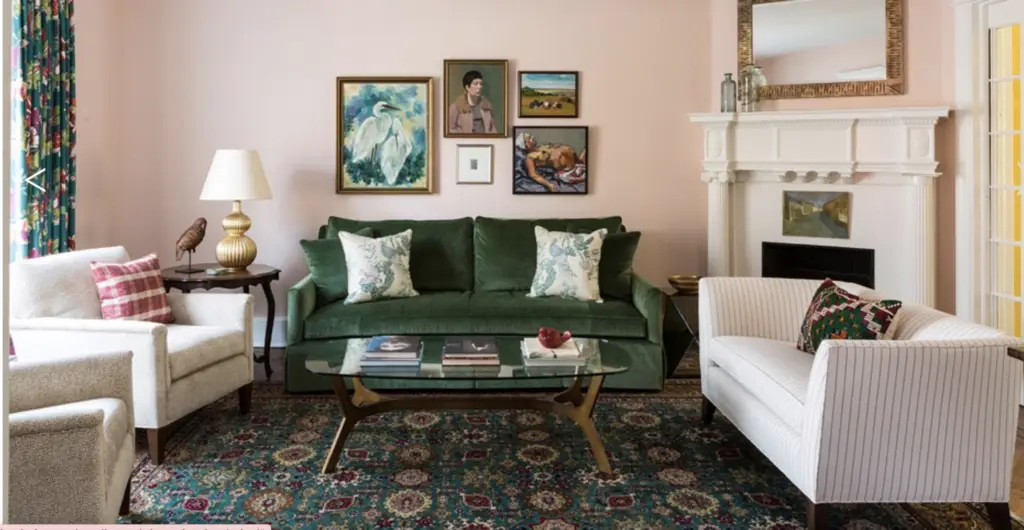
How to Incorporate Mid-Century Modern Style into Your Home
If you’re drawn to the timeless appeal of Mid-Century Modern design, here are some practical ways to incorporate it into your home:
1- Choose Iconic Furniture Pieces
Invest in key Mid-Century Modern furniture pieces that embody the style’s clean lines and functional design. Classic choices include Eames lounge chairs, Saarinen’s tulip chairs, or a sleek, low-profile sofa with tapered wooden legs. These pieces serve as focal points and set the tone for the rest of your decor.
2- Embrace a Minimalist Approach
To achieve the clean and uncluttered look of Mid-Century Modern interiors, focus on minimalism. Keep furniture arrangements simple, avoid excessive accessories, and allow space for the room to breathe. Select a few statement pieces rather than overfilling the space with decor.
3- Incorporate Bold Accents
While keeping the overall design simple, don’t shy away from bold accents. Use vibrant throw pillows, rugs, or artwork to introduce colors like orange, teal, or mustard. A brightly colored armchair or a retro-patterned wallpaper can also add a playful touch to the room while staying true to Mid-Century Modern aesthetics.
4- Mix Natural and Modern Materials
Incorporate a combination of natural and modern materials to capture the balance of the MidCentury era. Choose furniture made from teak or walnut, and complement it with modern materials like glass, metal, or molded plastic. For example, a wooden dining table paired with plastic or fiberglass chairs reflects the innovative spirit of this design style.
5-Use Geometric Patterns
Geometric patterns are a staple of Mid-Century Modern decor. Incorporate these patterns through textiles like rugs, cushions, or curtains. Opt for bold designs with angular lines or retro motifs to add visual interest without overwhelming the space.
6-Create an Open, Airy Feel
To evoke the indoor-outdoor connection of Mid-Century Modern homes, try to create an open and airy feel. Opt for open floor plans when possible and maximize natural light by using large windows, glass doors, or even skylights. This not only enhances the overall aesthetic but also creates a more inviting and comfortable atmosphere.
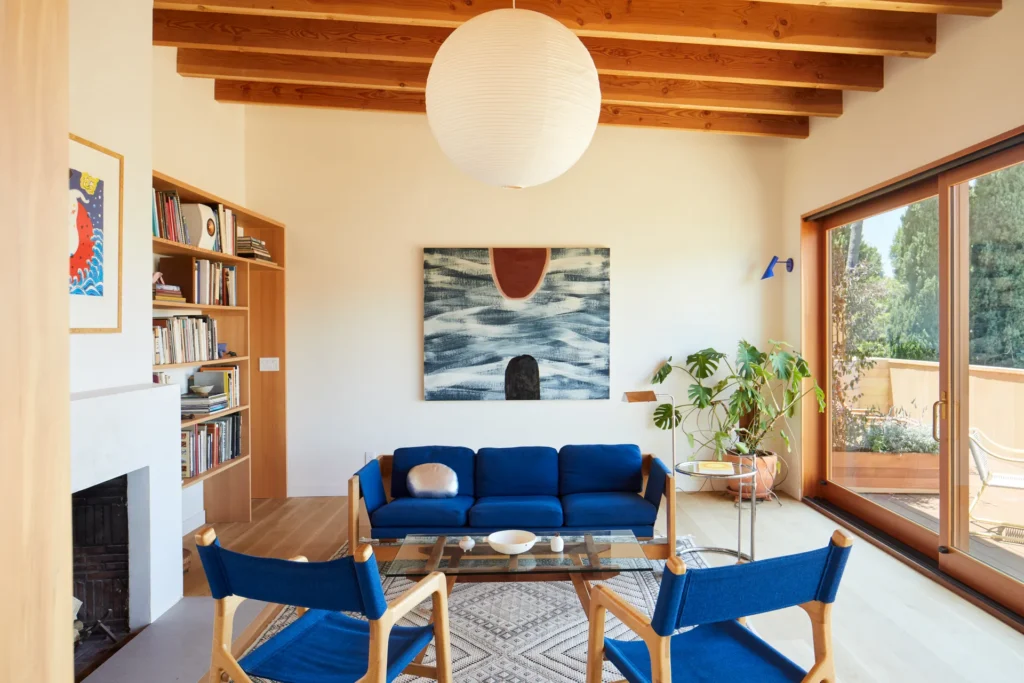
Why Mid-Century Modern Design is Still Popular
Mid-Century Modern design remains one of the most enduring and beloved styles because of its versatility, timeless appeal, and practicality. Its clean lines and functional furniture make it perfect for modern living, while its connection to the past adds a sense of nostalgia and character to any space. This style also complements various other design trends, making it easy to blend with contemporary, industrial, or even bohemian aesthetics. Its minimalist foundation allows homeowners to adapt the style to suit their personal tastes without losing its distinctive charm.
Conclusion
Mid-Century Modern design offers a perfect nod to the past while maintaining relevance in today’s homes. With its emphasis on clean lines, functional furniture, and bold accents, this style creates spaces that are both stylish and practical. Whether you choose to fully embrace the Mid-Century look or incorporate a few key elements, this design approach adds timeless elegance and character to any home. By incorporating iconic furniture, balancing natural and modern materials, and embracing the minimalist ethos, you can easily bring the charm of Mid-Century Modern design into your space. Its enduring appeal ensures that it will continue to be a favorite among design enthusiasts for years to come.